Our Model
Our Three Pillars
01
Open-source
Technology
02
Process
re-engineering
03
Citizen-centric Research & Insights
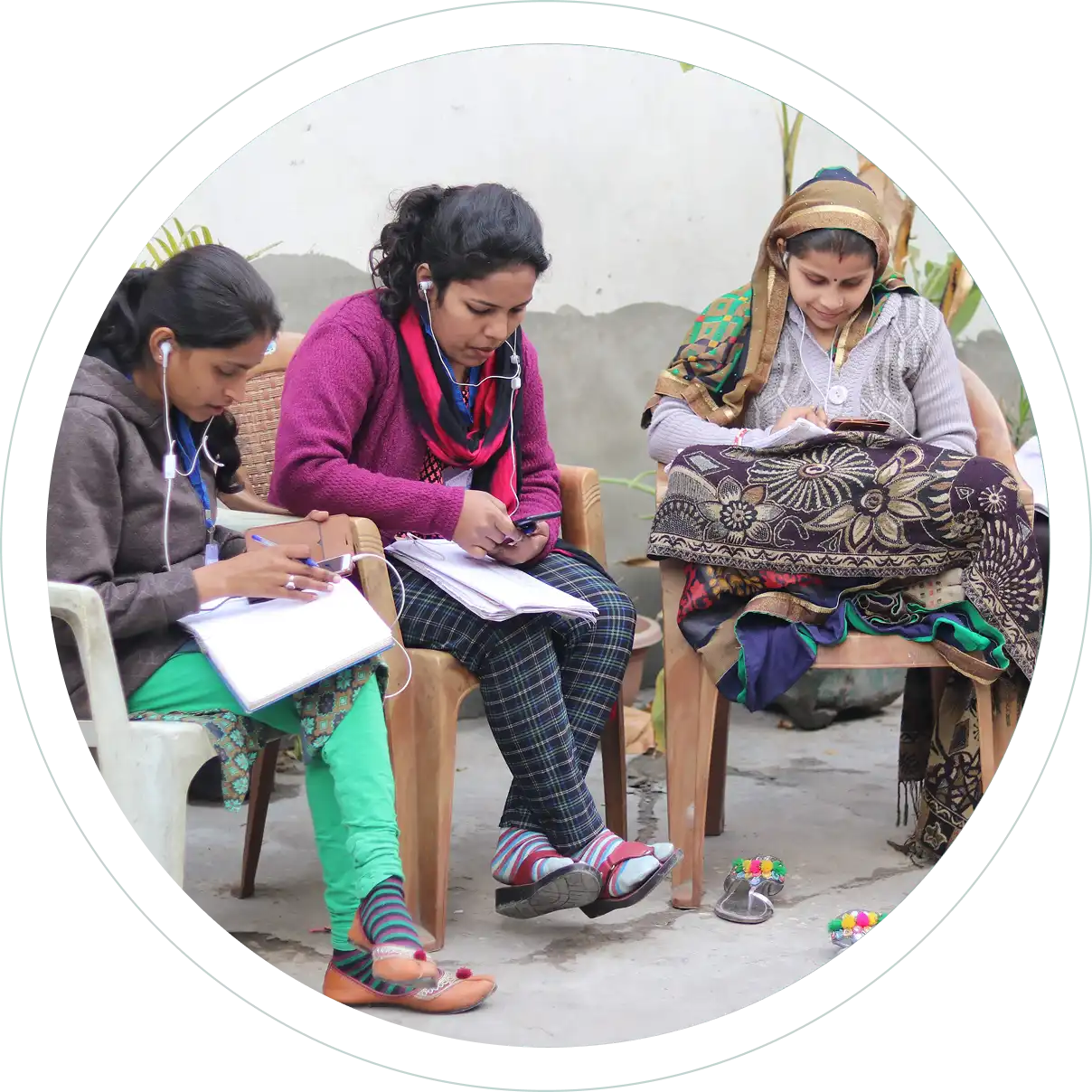
Pillar 1
Open-source Technology
Our work is powered by the belief that technology can catalyse profound social change. We engineer robust products and protocols that empower governments to deliver social protection.
Products that Deliver
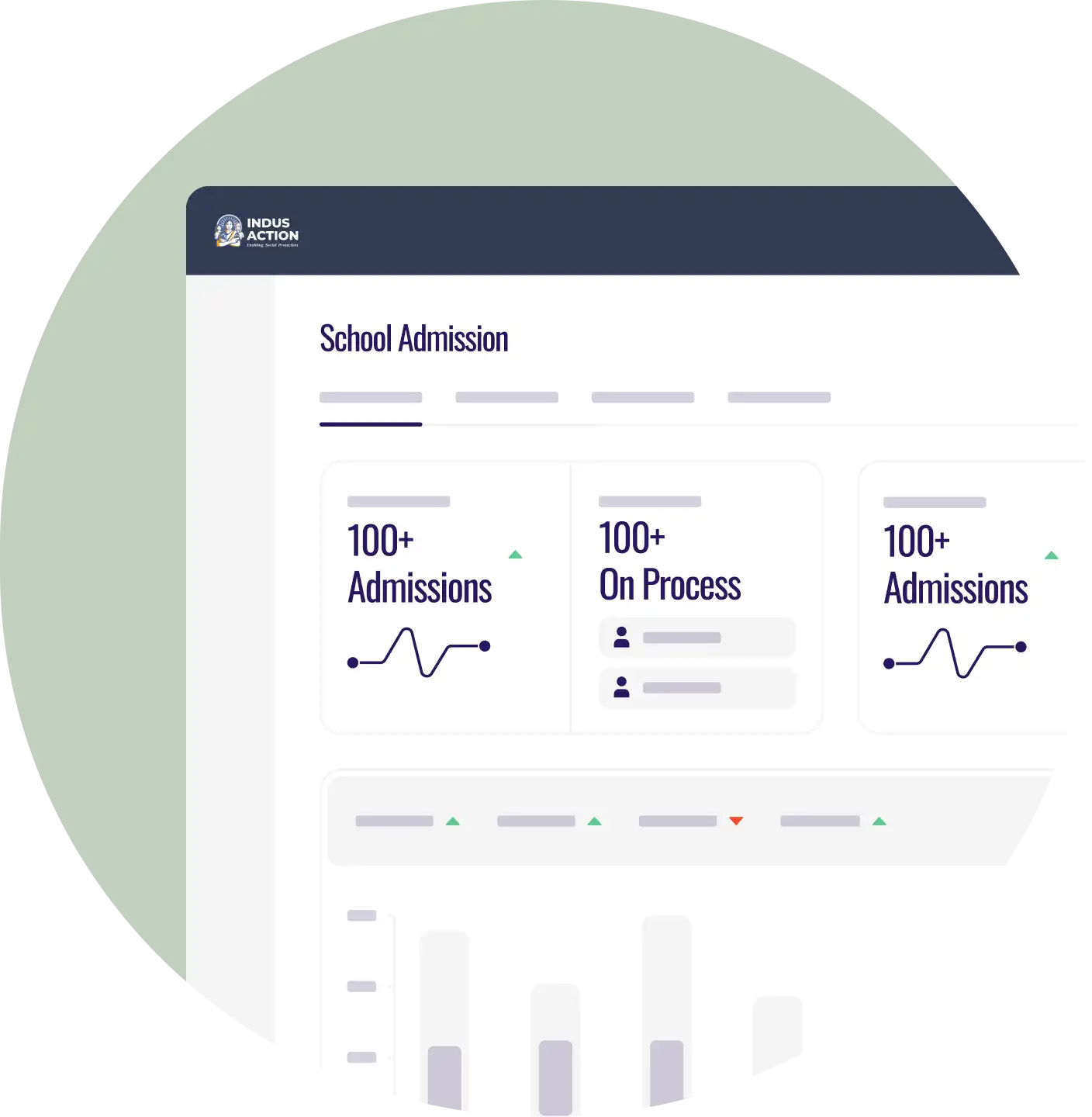
RTE Digital Public Good
Streamlined School Admissions for All
An open-source platform that enables state governments to implement transparent, efficient school admissions under the RTE Act Sec. 12(1)(c). Complete with ready-to-deploy modules, comprehensive documentation, and training resources for seamless government adoption.
Eligibility Engines
Effective Welfare Scheme Qualification
A rule-based system that instantly determines eligibility for government welfare schemes. Transforms complex guidelines into clear decision tables, processes data securely in real-time, and identifies missing requirements – giving citizens and officials clear next steps with confidence.
Campaign Platforms
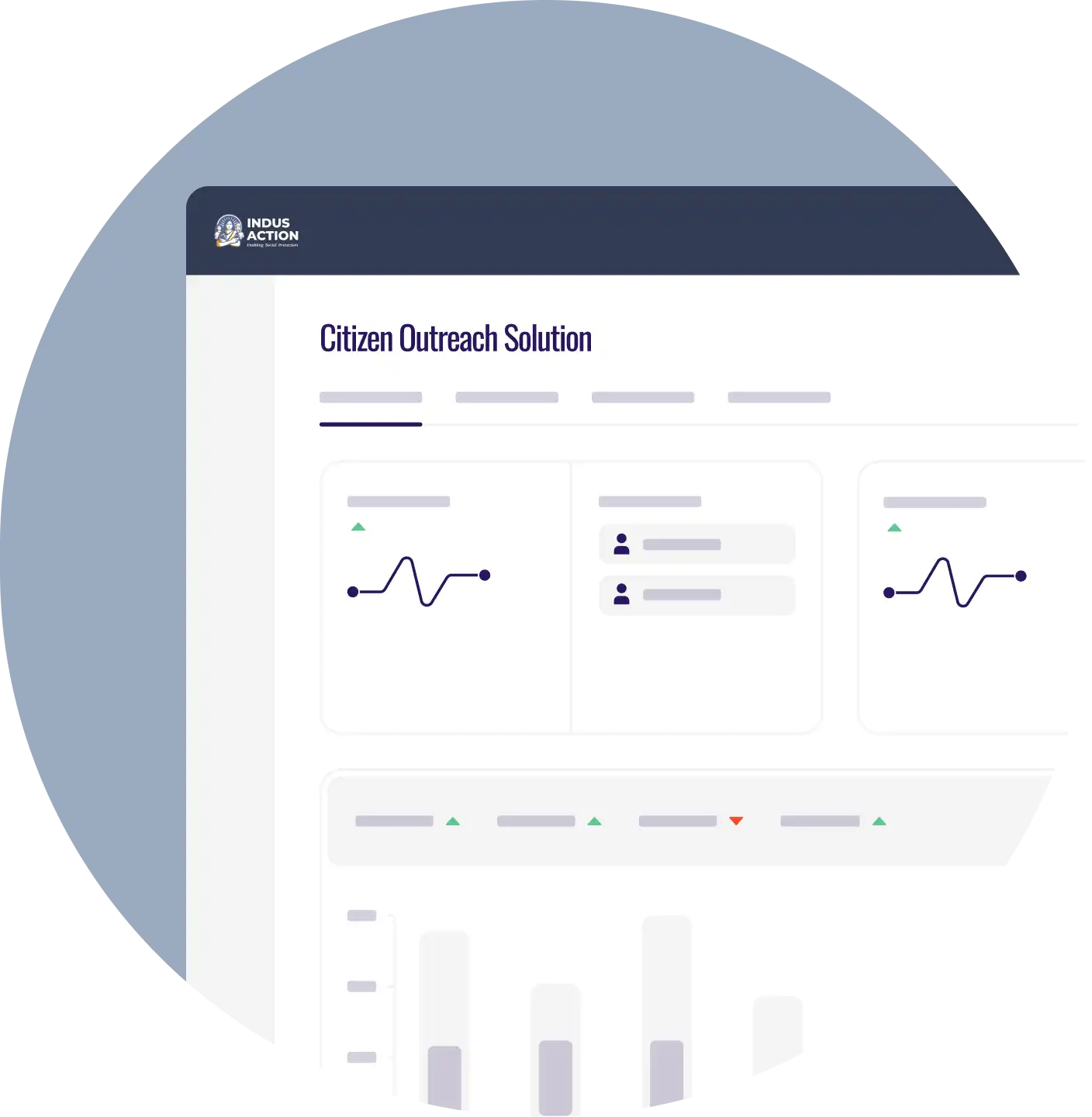
Complete Citizen Outreach Solution
An end-to-end platform for government and CSO-citizen engagement. Plan and launch multilingual awareness campaigns, track last-mile outreach, and guide eligible citizens through welfare scheme access – all with built-in mobile app support for seamless follow-up.
AI Chatbots
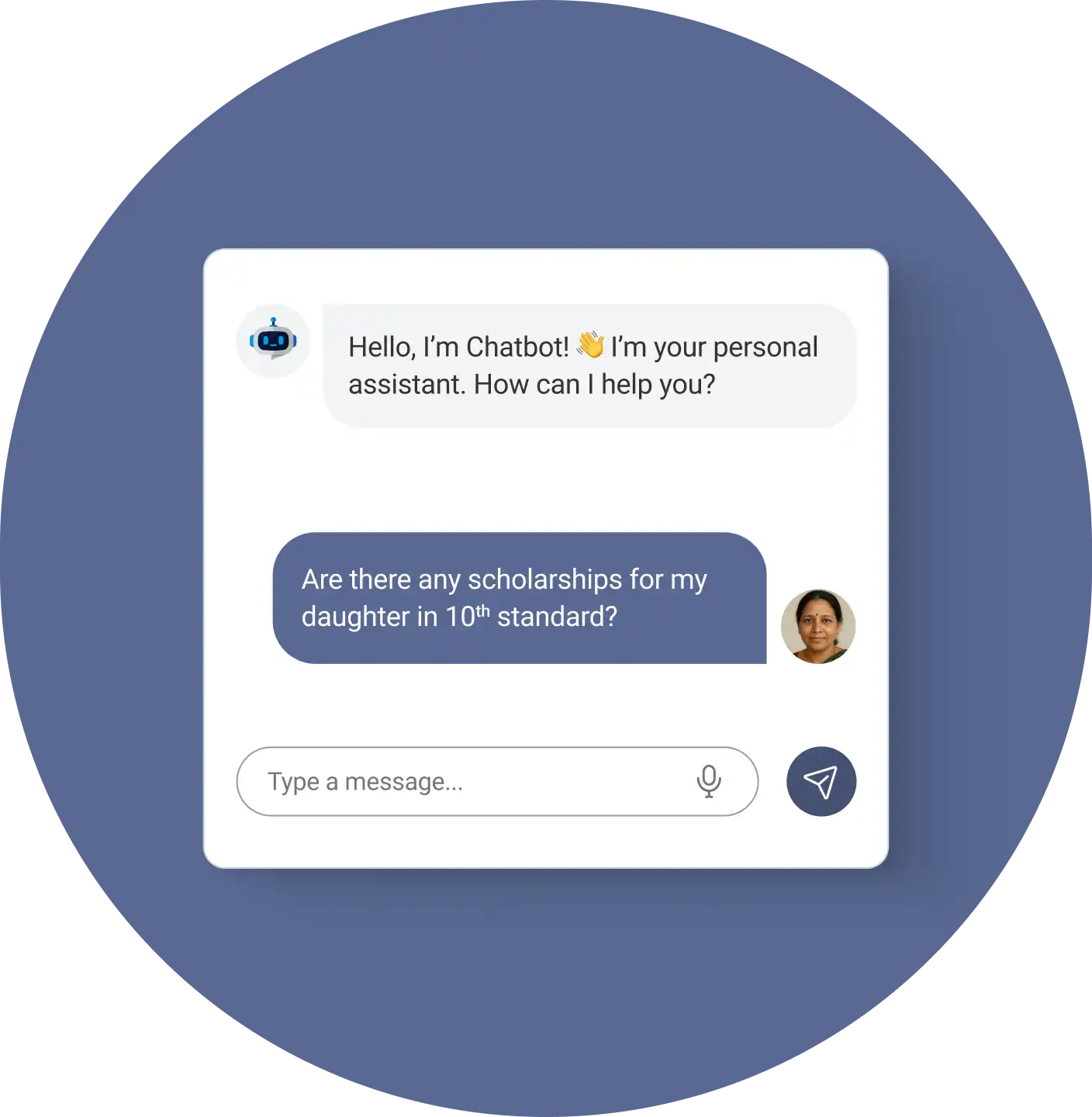
Intelligent Welfare Scheme Assistant
Conversational AI powered by RAG technology that guides citizens to suitable welfare schemes through natural WhatsApp conversations. Collects user information via simple Q&A, matches them with relevant programs, and bridges information gaps for informed decision-making on government entitlements.
Protocols that Scale
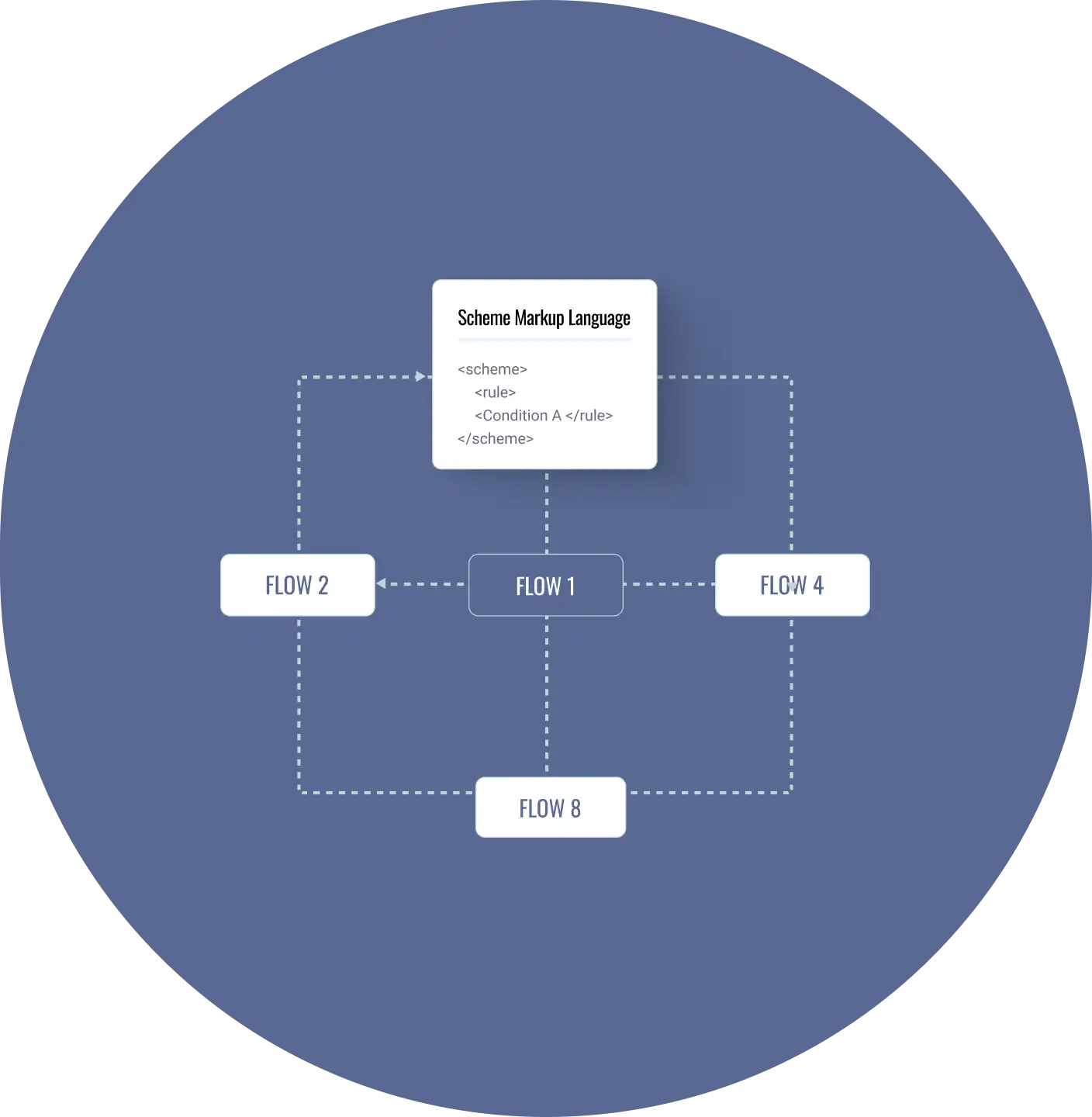
Scheme Markup Language
Scheme Markup Language (SML) is a standardised protocol for defining welfare schemes in a structured, machine-readable format. Designed for interoperability, SML enables seamless integration with rule engines and digital applications, ensuring reusability across diverse government programs. SML lays the foundation for scalable, consistent, and citizen-centric entitlement delivery by simplifying the ingestion and interpretation of scheme definitions.
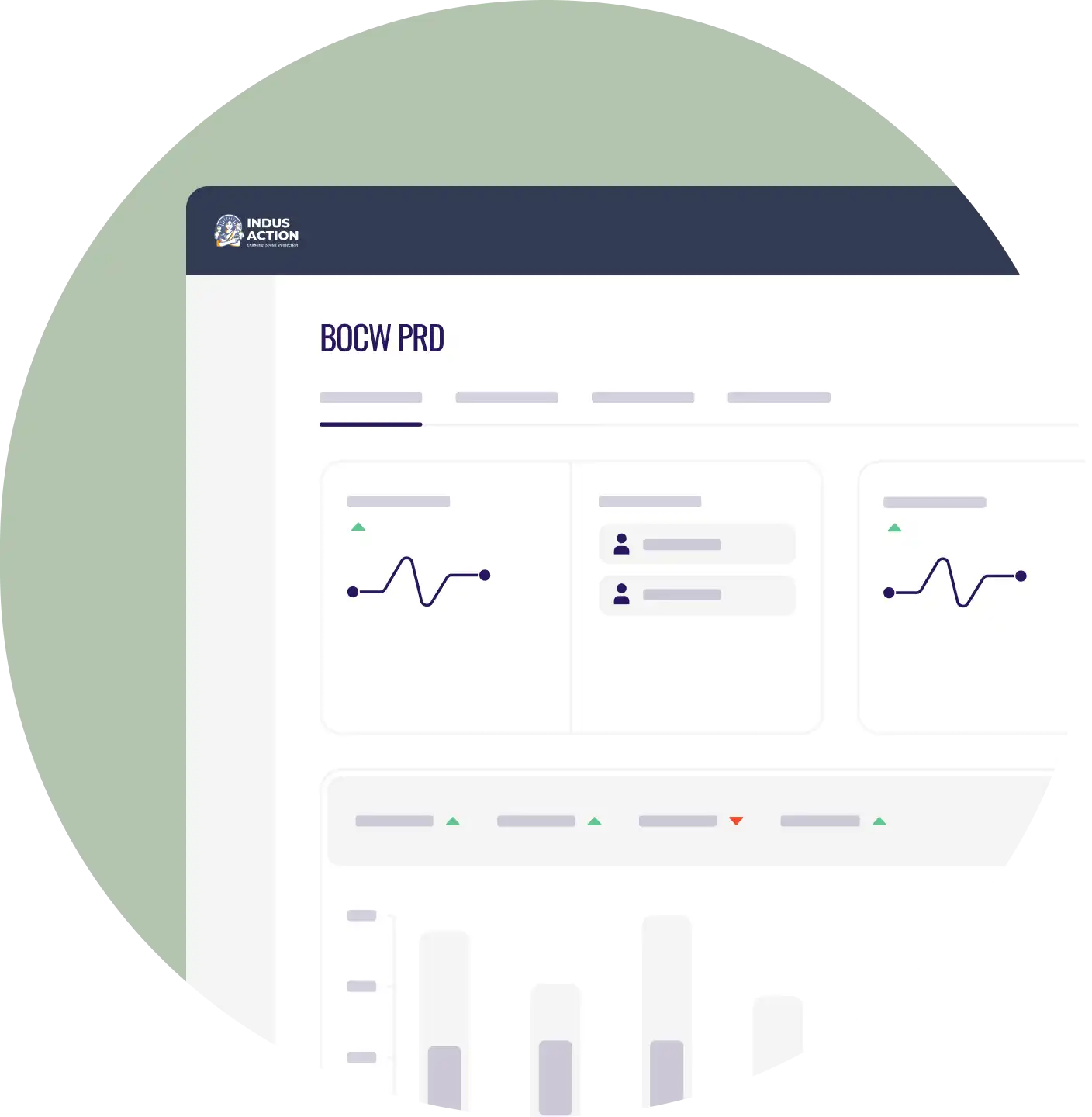
Building and Other Construction Workers Product Requirements Document
The BOCW PRD outlines the user experience for construction workers accessing welfare services through the BOCW portal. It emphasises reducing administrative burden by simplifying discovery, registration, cess collection and renewal processes. The document details how interoperability with other departmental systems can streamline validation and service delivery. The PRD ensures the platform remains efficient and scalable. Together, these elements aim to create a seamless digital journey for workers across states.
Pillar 2
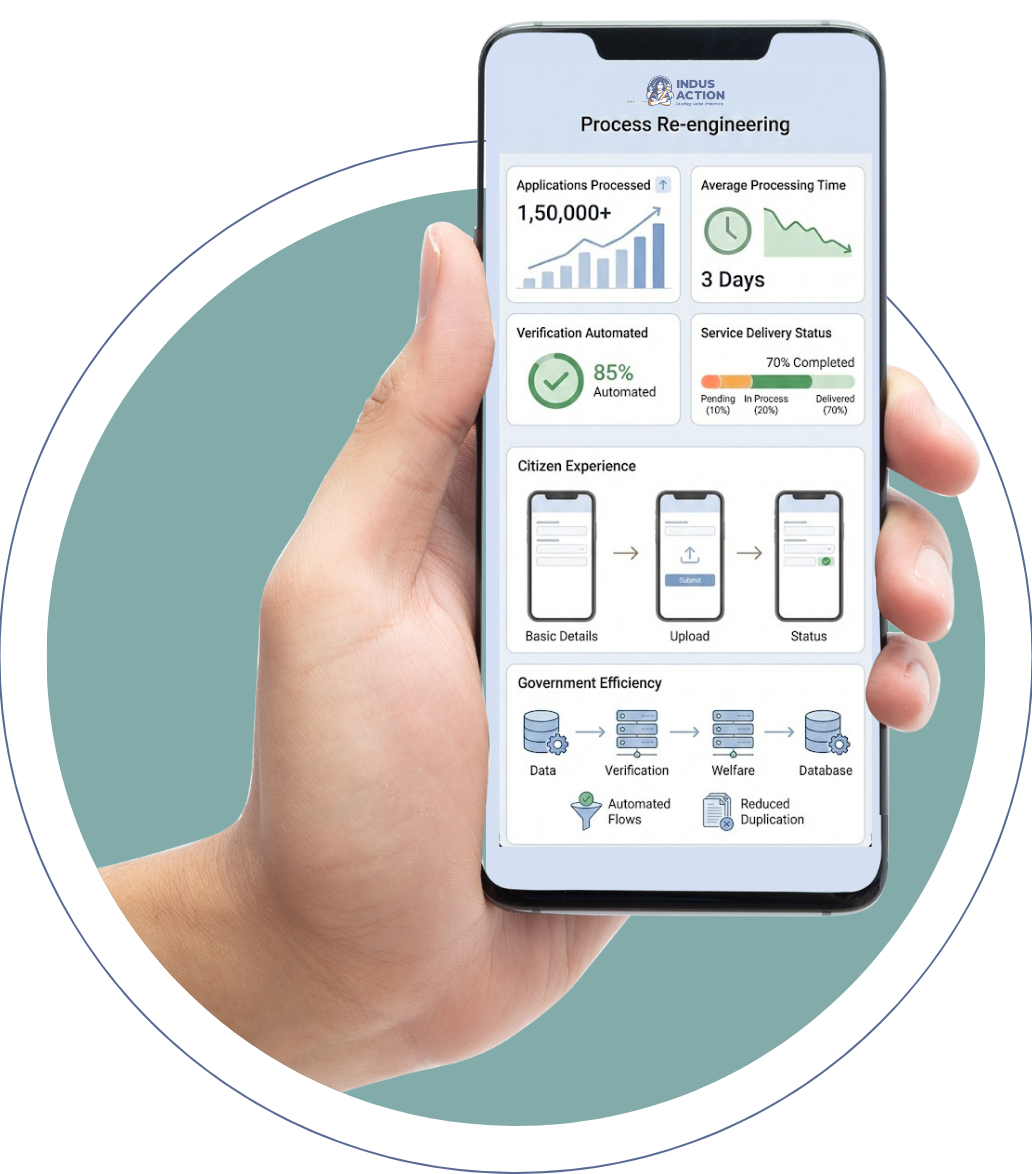
Process Re-engineering
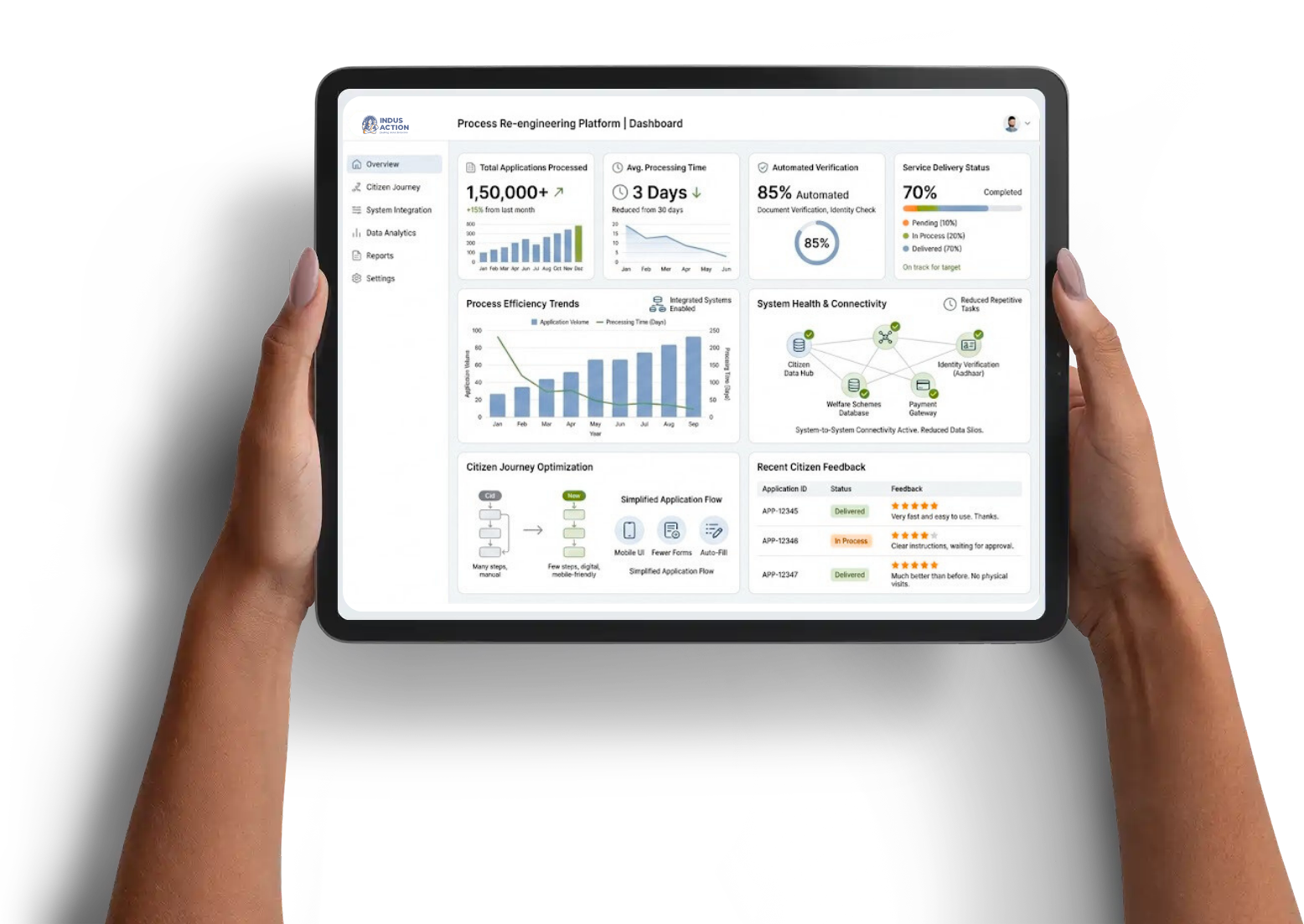
By focusing on accessibility, transparency, and efficiency, we redesign processes to reduce admin burden for the citizen and the state.

Optimising citizen experience through improved UI/UX design and reduced administrative burden

Delivering enhanced government efficiency through integrated data dashboards, visualisations, and interoperable systems

Reducing repetitive documentation and automating verification to streamline application filling & processing time
Pillar 3
Citizen-centric Research & Insights
Global insights and a deep understanding of citizen experience that inform sustainable solutions for social protection.
Programme-specific analysis and strategic problem resolution.
● Innovations for Construction Worker Validation Protocols● India’s Labour Codes: A Comprehensive Review of Reforms, Challenges, and the Road Ahead
Longitudinal field studies evaluating social protection program effectiveness.
● Care To Play: Learning Report
Partner With Us to Transform Welfare Delivery
Whether you’re a government employee, bureaucrat or technologist; we’re ready to collaborate on creating lasting change for vulnerable citizens.