

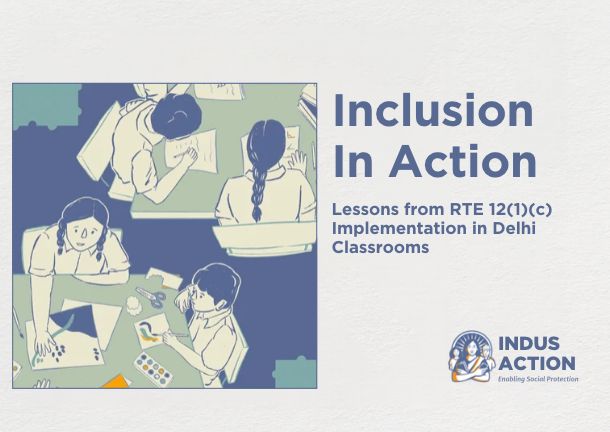
Education
Researchers identify the practices that work to strengthen inclusion through approaches that combine inclusive teaching, supportive leadership, equitable opportunities, and strong partnerships with parents…
Read More

Indus Action Initiatives
G-7, 2nd Floor, Lajpat Nagar III
New Delhi – 110024
 011 4172 9407
 info@indusaction.org


 English
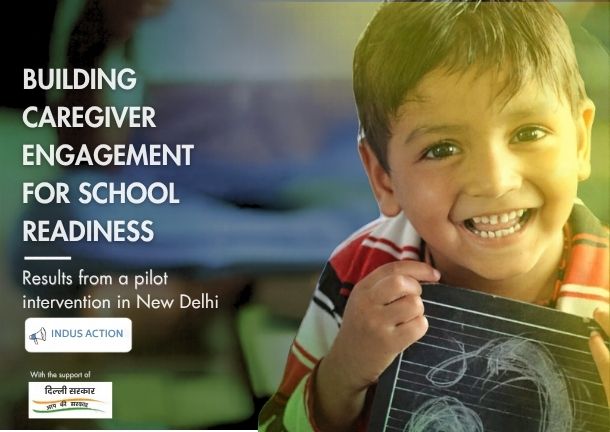
Systemic learnings
It is now abundantly clear that a child’s first 5 years of life are critical for the establishment of early cognitive, social–emotional, and regulatory skills and competencies that serve as precursors for lifelong adaptation and functioning (Shonkoff & Phillips, 2000). The settings in which young children grow and develop, and the interactions and experiences they encounter in these highly formative years, set the stage for later learning. That is, the first 5 years are filled with antecedent events, experiences, and relationships that either support or diminish children’s abilities to benefit from new and ongoing opportunities and acquire basic and complex social–emotional and cognitive skills. Thus, the degree to which children are poised for learning upon entering the formal school environment is predicated in very large part on what transpires well before they enter the school door. The cumulative effect of interrelated factors such as poverty, low parental education, parental mental health concerns, and living in a linguistically isolated household presents particular challenges for the development of young children.
Education
Researchers identify the practices that work to strengthen inclusion through approaches that combine inclusive teaching, supportive leadership, equitable opportunities, and strong partnerships with parents…
Read More
Events
Lives do not change gradually. They change during moments of transition and disruption: when a household faces a sudden shock, navigates a key life…
Read More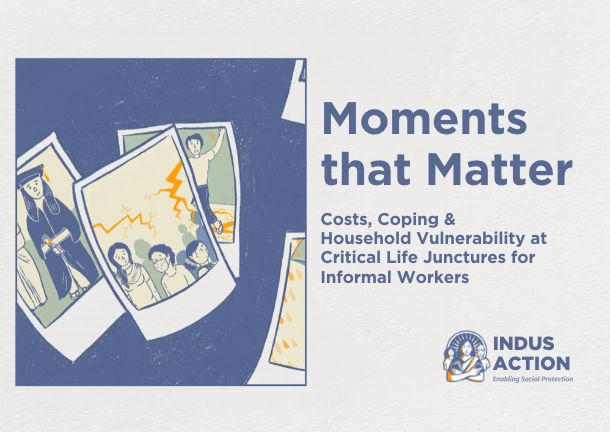
Systemic learnings
The COVID-19 pandemic exposed the deep fragility of informal work, pushingmillions back into chronic poverty. It became clear that compounding shocksand entrenched vulnerabilities were…
Read More