

Events
Lives do not change gradually. They change during moments of transition and disruption: when a household faces a sudden shock, navigates a key life…
Read More

Indus Action Initiatives
G-7, 2nd Floor, Lajpat Nagar III
New Delhi – 110024
 011 4172 9407
 info@indusaction.org


 English
Labour & Livelihoods
Labour laws in India have undergone a significant transformation with the introduction of four Labour
Codes, which consolidate and streamline the 29 existing labour laws. These include the Code on Wages
(2019), the Code on Social Security (2020), the Occupational Safety, Health and Working Conditions Code
(2020), and the Industrial Relations Code (2020). The primary objectives behind this consolidation are to
simplify compliance, enhance worker protections, and improve the ease of doing business (PIB,2022).
The four Labour Codes subsume various earlier provisions fragmented across different legislations. This
restructuring reduces redundancies and aims to create a more coherent legal framework for labour
governance. While the codes mark a significant step towards labour law reforms, they also raise
concerns about their impact on worker rights, especially regarding job security, social security, and
collective bargaining powers. The balance between employer flexibility and worker protection remains a
critical area of debate when implementing these reforms.
This document is a ready reckoner for understanding the major amendments and structural changes
introduced by the Labour Codes. Comparing existing and revised provisions would provide a structured
understanding of the changes and their implications. This primer is intended to be a resource for
policymakers, researchers, civil society organisations, and legal practitioners seeking clarity on the
evolving labour landscape in India. Given the sweeping nature of the reforms, this summary ensures that
critical aspects of compliance, worker protections, and employer responsibilities are clearly articulated.
It also aids policymakers in evaluating the effectiveness of these laws and identifying potential areas for
further refinement
Author: Dr. Harshil Sharma
Events
Lives do not change gradually. They change during moments of transition and disruption: when a household faces a sudden shock, navigates a key life…
Read More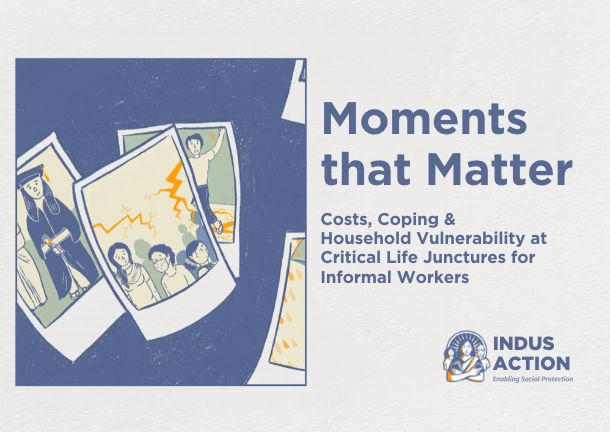
Systemic learnings
The COVID-19 pandemic exposed the deep fragility of informal work, pushingmillions back into chronic poverty. It became clear that compounding shocksand entrenched vulnerabilities were…
Read More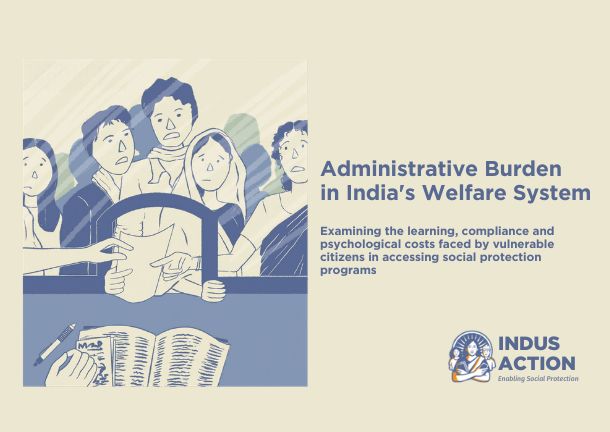
Systemic learnings
Administrative burden refers to the learning, compliance, and psychologicalcosts that citizens incur when interacting with government programs andservices. These costs accumulate across stages, leading…
Read More