

Events
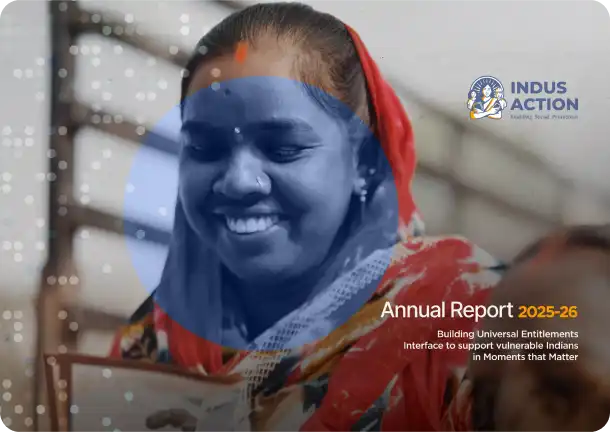
Lives do not change gradually. They change during moments of transition and disruption: when a household faces a sudden shock, navigates a key life…
Read More

Indus Action Initiatives
G-7, 2nd Floor, Lajpat Nagar III
New Delhi – 110024
 011 4172 9407
 info@indusaction.org


 English
Education
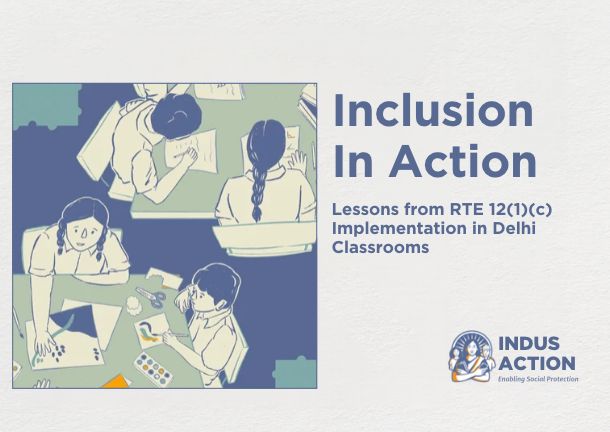
Researchers identify the practices that work to strengthen inclusion through approaches that combine inclusive teaching, supportive leadership, equitable opportunities, and strong partnerships with parents and communities. Teachers play a central role by adopting inclusive pedagogies that respond to diverse learning needs while maintaining high expectations for every student. School leaders reinforce these efforts by fostering an inclusive culture, supporting teachers, and creating policies that promote students’ safety, participation, and well-being. Schools also create opportunities for students to develop confidence, leadership, and career aspirations by ensuring equitable access to academic, co-curricular, and career development opportunities. Dignified and sustained engagement with parents and communities strengthens the support available to students and contributes to their participation, achievement, and overall well-being.
This handbook is an invitation to schools and educators to critically reflect on how inclusion is experienced within their schools and to take deliberate action to strengthen it. By adapting, institutionalising, and scaling the practices documented here, schools can move beyond access towards advancing the presence, participation, and achievement of all students.
Authors: Mansi Middha, Braja Sundar Nayak, Rahul Karnamadakala Sharma
Events
Lives do not change gradually. They change during moments of transition and disruption: when a household faces a sudden shock, navigates a key life…
Read More
Systemic learnings
The COVID-19 pandemic exposed the deep fragility of informal work, pushingmillions back into chronic poverty. It became clear that compounding shocksand entrenched vulnerabilities were…
Read More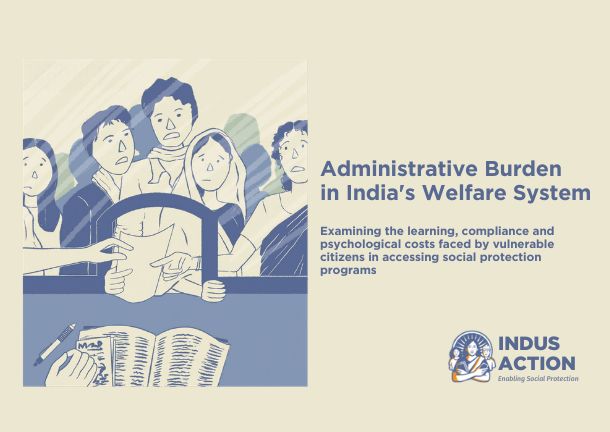
Systemic learnings
Administrative burden refers to the learning, compliance, and psychologicalcosts that citizens incur when interacting with government programs andservices. These costs accumulate across stages, leading…
Read More